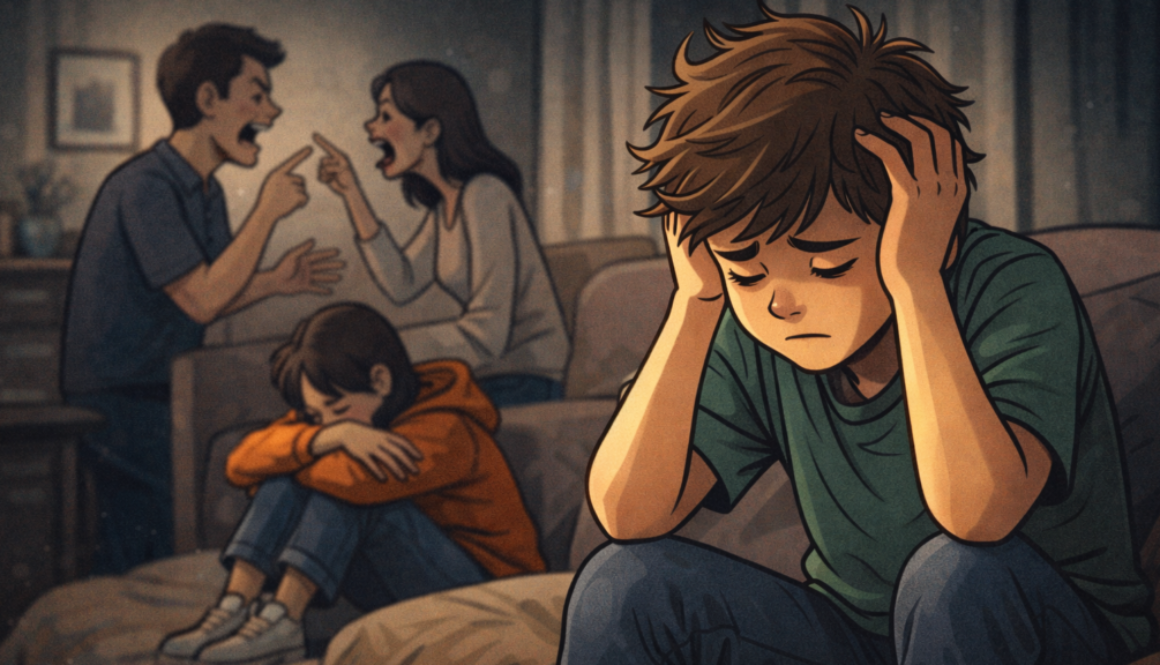
Home Isn’t Always Safe
Everyone assumes home is where you’re protected.
For a lot of teenagers, that’s just… not true.
Sometimes it’s not bruises, it’s silence.
Being yelled at every day. Being compared. Being ignored. Being told your dreams are “stupid.” Being forced into a career you didn’t choose because “we know better.” Being dragged through your parents’ fights like you’re evidence, not a person.
And when you try to speak up?
You’re told to adjust. To obey. To wait it out.
But here’s the uncomfortable truth: family problems don’t stop being legal problems just because they happen at home.
In India, abuse is not limited to physical violence. Emotional abuse, verbal humiliation, constant control, neglect, and isolation are all recognised forms of harm. Under the Protection of Women from Domestic Violence Act, 2005, emotional and economic abuse are legally acknowledged. While this law is designed to protect women, courts take serious note of how domestic violence affects children living in the household. Being hurt repeatedly, even without bruises, is not something the law expects anyone to “adjust” to.
For boys, the protection doesn’t disappear, it simply comes from a different place. Under the Juvenile Justice (Care and Protection of Children) Act, 2015, both boys and girls are equally protected. If a child is being abused, neglected, or emotionally harmed at home, the law treats them as a “child in need of care and protection.” Gender doesn’t matter here. A 15-year-old boy facing constant humiliation, violence, or neglect at home is just as entitled to safety and intervention as anyone else.
Custody disputes are another situation where teenagers often lose their voice. When parents separate, the conflict doesn’t stay between adults. Teens are forced to pick sides, move homes, or live with people they don’t feel safe around. Indian courts, however, are clear on one thing: the welfare of the child comes first. Under the Guardians and Wards Act, 1890, judges can and do consider the wishes of older minors while deciding custody and visitation. Your comfort, safety, and mental well-being matter more than parental ego — whether you’re a son or a daughter.
Medical and personal autonomy is where things get even more confusing. Many teenagers understand their bodies and mental health but are denied care or forced into treatment because “parents know best.” Indian law recognises the idea of evolving capacity; meaning as minors grow older, their ability to make informed decisions is taken more seriously, especially in healthcare contexts. The Mental Healthcare Act, 2017 protects the right to dignity and access to mental healthcare, even for minors. Denying necessary mental health care or using treatment as a form of control can be legally questioned, regardless of gender.
If you’re facing abuse, neglect, or an unsafe home environment, there are places you can go. Childline 1098 is a 24/7 helpline for children in distress across India, boys and girls alike. Calling 1098 doesn’t automatically mean police involvement. In most cases, it connects you to trained counsellors and social workers who help you figure out what support you need. If the situation is serious, they can involve the Child Welfare Committee, a legal body in every district with the power to intervene, order counselling, or arrange temporary care when a home is unsafe.
Legal help is also not out of reach. District Legal Services Authorities (DLSAs) provide free legal aid to minors under the Legal Services Authorities Act. You don’t need money or parental permission to ask for advice. These authorities assist with custody disputes, abuse complaints, and guardianship issues, always keeping the child’s welfare at the centre. Information about your district authority is available at https://nalsa.gov.in.
It’s also important to know that telling a school counsellor, teacher, or trusted adult is not betrayal. In serious cases, they are legally expected to act in your best interest. Silence protects abusers, not families.
Here’s the thing no one tells teenagers enough: respect does not mean suffering quietly. Family bonds don’t cancel your right to safety, dignity, or choice. If something at home is breaking you down emotionally or physically, it’s not “normal parenting” , and you’re not wrong for wanting help.
Knowing your rights doesn’t destroy families.
It protects the people growing up inside them.