Introduction
Prime Minister Narendra Modi is set to visit Nepal on July 20–21, 2025, for a bilateral summit with PM K P Sharma Oli, focusing on hydropower cooperation and border infrastructure. Announced on July 13, 2025, this visit, Modi’s sixth to Nepal since 2014, aims to advance India’s “Neighbourhood First” policy. What makes this visit significant, and how does it build on past engagements?
Background and Context
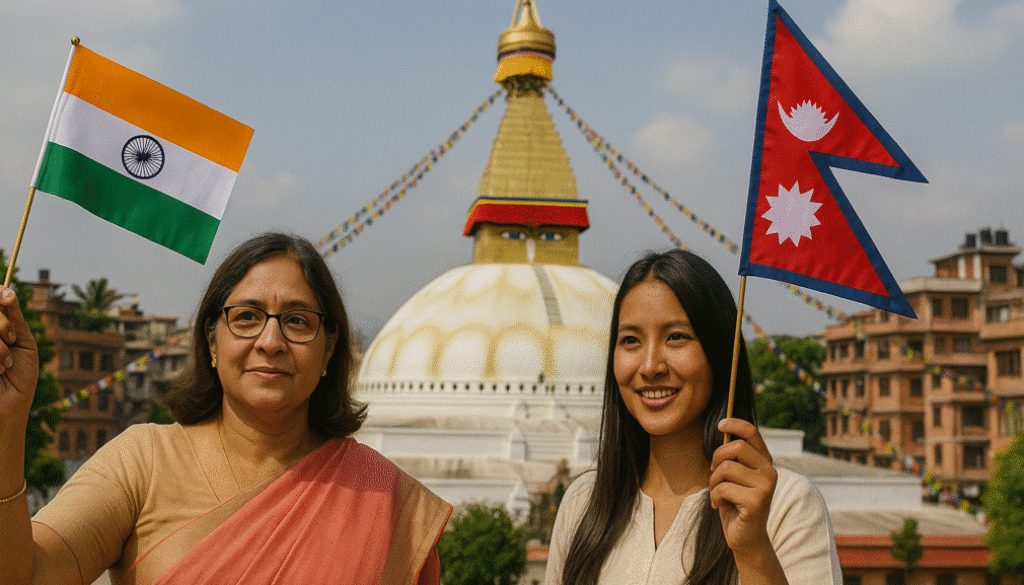
India and Nepal share deep cultural, economic, and strategic ties, underpinned by the 1950 Treaty of Peace and Friendship. Modi’s previous visits—2014 (Kathmandu, SAARC Summit), 2018 (Janakpur, Ramayana Circuit launch), 2022 (Lumbini, Buddha Purnima), and 2024 (Kathmandu)—focused on connectivity, hydropower, and cultural diplomacy. The 2022 visit saw agreements for the 900 MW Arun-III hydropower project, while 2024 discussions with Oli addressed the Pancheshwar Multipurpose Project. Nepal, with a hydropower potential of 83,000 MW, is key to India’s energy security goals. Border infrastructure, like the Motihari-Amlekhgunj oil pipeline (2019), enhances connectivity but remains sensitive due to the 2020 Kalapani dispute. The upcoming summit aims to resolve pending issues and boost trade, which reached $8.7 billion in 2024–25.
Analysis
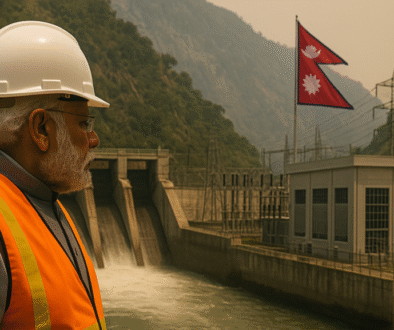
Modi’s 2025 visit prioritizes hydropower and infrastructure to deepen economic ties. The West Seti hydropower project, revived after China’s withdrawal, could add 750 MW to Nepal’s grid, with India as a key buyer, supporting its net-zero goals. Border infrastructure, including the Raxaul-Kathmandu railway, aims to ease trade and mobility but requires addressing Nepal’s concerns over past delays in Indian-funded projects (e.g., Terai roads). The visit also navigates geopolitical challenges: Nepal’s growing ties with China via the Belt and Road Initiative contrast with India’s sovereignty concerns over the Pokhara airport project. While India’s $4 billion aid during Nepal’s 2022 economic crisis strengthened trust, critics note that unresolved border issues could hinder progress. For UPSC aspirants, this visit highlights India’s soft power and strategic balancing in South Asia, competing with China’s regional influence. The summit’s success depends on actionable commitments, unlike past visits where delays stalled projects like Pancheshwar.
Conclusion
Modi’s Nepal visit on July 20–21, 2025, underscores India’s commitment to Nepal through energy and infrastructure cooperation. Building on past engagements, it seeks to cement bilateral trust while navigating geopolitical complexities. The summit’s outcomes could redefine India-Nepal relations, reinforcing India’s leadership in South Asia’s economic and strategic landscape.