Introduction/Background
This is Rahul Choudhary, a second-year law student at Shiv Nadar University, Chennai.
My journey into law began back in 9th grade when I first started getting fascinated by the
idea of justice and how law shapes society. That curiosity stuck with me, and by the
time I reached 11th grade, I came across the Common Law Admission Test (CLAT). I
began my prep towards the end of 11th — not the earliest start, I know, but I gave it my
best.
Throughout my prep, I was an average scorer. Some mocks were great, some terrible —
a complete mixed bag. But toward the end, I felt like I had found my footing and was
hopeful for a solid result. When the results dropped… boom. A rank of 7666. It hit hard
— nowhere near what I had aimed for. No NLU, no dream college, just a crushing sense
of disappointment. There’s this whole mindset floating around that if you don’t get into
an NLU, you’re not really in the game. And for a while, I bought into that.
But then came a bold move. I had offers from some private institutes and I took a
chance and joined the newly launched Shiv Nadar University (SNU) School of Law in
Chennai — yep, I’m part of its founding batch. Looking back, I’d say it was a leap of faith.
Initital Impressions/Experience
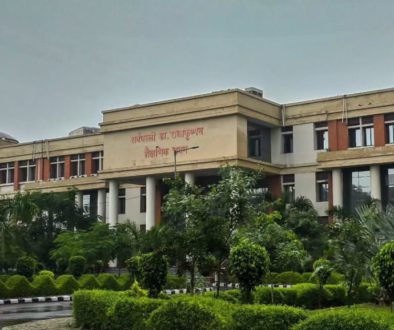
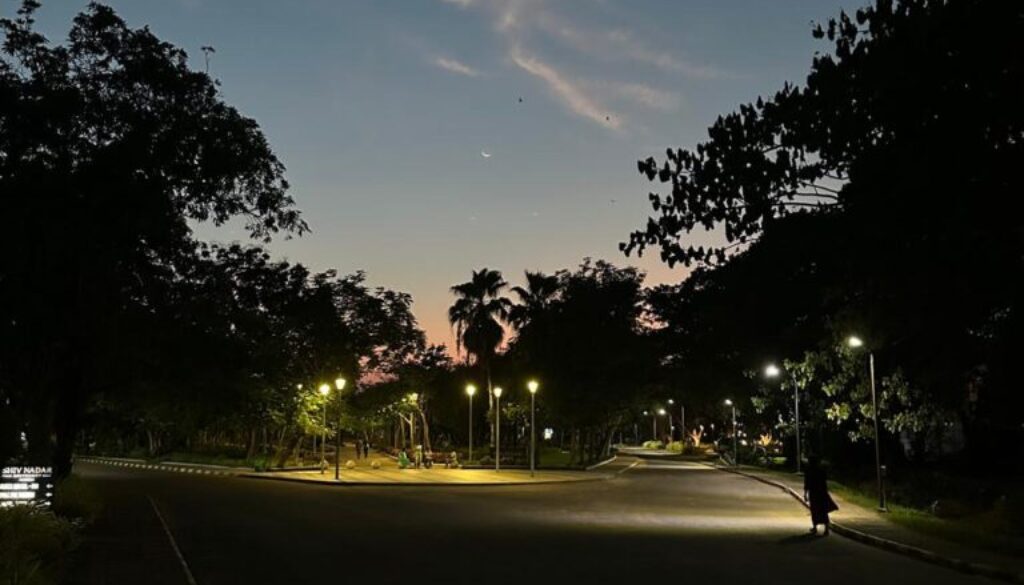
When I reached the campus, I had a good feeling. The place is green, spacious, and
really calming. My hostel room was surprisingly nice too — neat, comfy, and well-
equipped. But what truly sets this place apart is the law school itself. The infrastructure
is solid, but more than that, the faculty is on another level. Almost all of our professors
come from Ivy League schools or other top global institutions.
As we started settling in, I expected things to move slowly at first — maybe a few ice-
breaking sessions, a laid-back orientation week, and then gradually diving into classes.
But that’s not how it went. We were given reading material and assignments before orientation even began. No
welcome party, just straight into legal readings and writing tasks. I was genuinely
surprised. The first semester was a complete whirlwind — assignments, response
papers, research tasks — it felt like there was no breathing space. But somewhere in the
second semester, things began to click. We got used to the rhythm, started managing
our time better, and eventually, I started enjoying the grind.
One thing I really appreciate here is the faculty’s approachability. We get one-on-one
sessions with some professors weekly or bi-weekly. Even outside that, you can just
shoot them an email and ask for a meeting — they’re super responsive and helpful,
which makes a huge difference when you’re trying to survive law school. There are only 40 students in our founding
cohort, and that intimacy changes everything. Professors know you by name. They understand your learning style.
You get personalized feedback, individual attention, and a level of mentorship that’s hard to come by in larger
institutions. The university plans to limit future batches to 120 students, and they’ve committed to maintaining
a similarly healthy student-to-faculty ratio. That’s rare — and a genuine strength of the institution
The location adds to the experience. We’re close to some fantastic beaches, which means spontaneous weekend
plans are always on the table. A short ride and you’re sitting by the ocean and of course, food is always a big deal
when you’re living away from home. The mess serves mostly South Indian meals — it’s decent, nothing fancy, but
fairly consistent. If you’re craving variety, the canteens offer plenty of options — from snacks to North Indian food
and fast food.
Expenses
Talking about the numbers, the tuition fee is about ₹4 lakhs a year. Add in hostel, mess,
and other expenses — it rounds up to roughly ₹6 lakhs annually. It’s a significant
investment, no doubt. But if you’re someone who values a strong academic foundation
and is willing to work hard, it feels worth it. But of course, no place is perfect.
Problems
While the law school is impressive, the university’s general management really needs to get its act together. The
number of restrictions here is honestly frustrating. Take the cricket stadium and the athletic track — they look
amazing from the outside, but students aren’t even allowed to use them. They’re
maintained just for show and only opened up when some external team visits or there’s
a major sports tournament happening. That’s it. For regular students, they’re
completely off-limits, which honestly feels unfair. What’s the point of having such
facilities if the students on campus can’t access them? On top of that, the mess shuts
at 8:30 PM, and all canteens close by 9. Want to grab a bite or order food online after
that? Forget it — no deliveries allowed past 8:30 either. It’s incredibly frustrating,
especially when you’re up late working on assignments and there’s literally no way to get
food or even a proper break. First-year students need an outpass just to step outside campus. Boys must return
by 10:30 PM, and girls have an even earlier curfew at 8:30 PM. After that, girls aren’t allowed to leave their hostels at
all. While security is important, such a rigid setup feels outdated and unfair.
Conclusion
Despite those hiccups, my first year at SNU has been nothing short of an experience —
intense, challenging, but also rewarding. From feeling unsure after CLAT results to now
being part of a promising and ambitious law school, it’s been a journey of growth. I’ve
got four more years to go, and I’m looking forward to seeing how this new institution —
and I — evolve along the way.
Introduction/
Background
This is Rahul Choudhary, a second-year law student at Shiv Nadar University, Chennai. My journey into law began back in 9th grade when I first started getting fascinated by the idea of justice and how law shapes society. That curiosity stuck with me, and by the
time I reached 11th grade, I came across the Common Law Admission Test (CLAT). I began my prep towards the end of 11th — not the earliest start, I know, but I gave it my best.
Throughout my prep, I was an average scorer. Some mocks were great, some terrible —a complete mixed bag. But toward the end, I felt like I had found my footing and was hopeful for a solid result. When the results dropped… boom. A rank of 7666. It hit hard— nowhere near what I had aimed for. No NLU, no dream college, just a crushing senseof disappointment. There’s this whole mindset floating around that if you don’t get into an NLU, you’re not really in the game. And for a while, I bought into that. But then came a bold move. I had offers from some private institutes and I took a chance and joined the newly launched Shiv Nadar University (SNU) School of Law in Chennai — yep, I’m part of its founding batch. Looking back, I’d say it was a leap of faith.
Initital
Impressions/
Experience
When I reached the campus, I had a good feeling. The place is green, spacious, and really calming. My hostel room was surprisingly nice too — neat, comfy, and well-equipped. But what truly sets this place apart is the law school itself. The infrastructure
is solid, but more than that, the faculty is on another level. Almost all of our professors come from Ivy League schools or other top global institutions. As we started settling in, I expected things to move slowly at first — maybe a few ice-breaking sessions, a laid-back orientation week, and then gradually diving into classes. But that’s not how it went. We were given reading material and assignments before orientation even began. No welcome party, just straight into legal readings and writing tasks. I was genuinely surprised. The first semester was a complete whirlwind — assignments, response papers, research tasks — it felt like there was no breathing space. But somewhere in the second semester, things began to click. We got used to the rhythm, started managing our time better, and eventually, I started enjoying the grind. One thing I really appreciate here is the faculty’s approachability. We get one-on-onesessions with some professors weekly or bi-weekly. Even outside that, you can just shoot them an email and ask for a meeting — they’re super responsive and helpful, which makes a huge difference when you’re trying to survive law school. There are only 40 students in our founding cohort, and that intimacy changes everything. Professors know you by name. They understand your learning style. You get personalized feedback, individual attention, and a level of mentorship that’s hard to come by in larger institutions. The university plans to limit future batches to 120 students, and they’ve committed to maintaining a similarly healthy student-to-faculty ratio. That’s rare — and a genuine strength of the institution
The location adds to the experience. We’re close to some fantastic beaches, which means spontaneous weekend plans are always on the table. A short ride and you’re sitting by the ocean and of course, food is always a big deal when you’re living away from home. The mess serves mostly South Indian meals — it’s decent, nothing fancy, but fairly consistent. If you’re craving variety, the canteens offer plenty of options — from snacks to North Indian food and fast food.
Expenses
Talking about the numbers, the tuition fee is about ₹4 lakhs a year. Add in hostel, mess, and other expenses — it rounds up to roughly ₹6 lakhs annually. It’s a significant investment, no doubt. But if you’re someone who values a strong academic foundation
and is willing to work hard, it feels worth it. But of course, no place is perfect.
Problems
While the law school is impressive, the university’s general management really needs to get its act together. The number of restrictions here is honestly frustrating. Take the cricket stadium and the athletic track — they look amazing from the outside, but students aren’t even allowed to use them. They’re
maintained just for show and only opened up when some external team visits or there’s a major sports tournament happening. That’s it. For regular students, they’re completely off-limits, which honestly feels unfair. What’s the point of having such facilities if the students on campus can’t access them? On top of that, the mess shuts at 8:30 PM, and all canteens close by 9. Want to grab a bite or order food online after that? Forget it — no deliveries allowed past 8:30 either. It’s incredibly frustrating, especially when you’re up late working on assignments and there’s literally no way to get food or even a proper break. First-year students need an outpass just to step outside campus. Boys must return by 10:30 PM, and girls have an even earlier curfew at 8:30 PM. After that, girls aren’t allowed to leave their hostels at all. While security is important, such a rigid setup feels outdated and unfair.
Conclusion
Despite those hiccups, my first year at SNU has been nothing short of an experience —intense, challenging, but also rewarding. From feeling unsure after CLAT results to now being part of a promising and ambitious law school, it’s been a journey of growth. I’ve got four more years to go, and I’m looking forward to seeing how this new institution and I — evolve along the way.